
As a caregiver, ensuring the right care means more than just monitoring numbers. You should create a well-rounded approach that supports senior’s health and well-being.
In this article, I’ll discuss practical steps you can follow to provide expert and compassionate care for elders with high blood pressure. These steps will help you check all the boxes, and ensure there are no gaps in the care you provide.
How Do You Treat High Blood Pressure in the Elderly?
1. Focus on a Heart-Healthy Diet:
One of the most critical lifestyle changes needed to control blood pressure is adopting a healthy daily diet. You need to make sure that the person under your care is consuming fresh fruits, whole grains, nuts, seeds, and vegetables.
1. Fruits and vegetables are rich in potassium, which helps balance sodium levels in the body and lowers blood pressure. (Bananas, oranges, spinach, broccoli, sweet potatoes, and tomatoes)
2. Whole grains are packed with fiber, which helps improve heart health and keep blood pressure in check(Brown rice, oatmeal, quinoa, whole-grain bread, and whole-grain pasta)
3. Lean proteins are essential for building strength without adding unhealthy fats Skinless poultry, fish (like salmon, mackerel, and tuna), beans, lentils, tofu, and low-fat dairy.)
4. Nuts & Seeds like almonds, cashew nuts, sunflower seeds, and pumpkin seeds are a high source of magnesium which helps in lowering high blood pressure.
The DASH diet is recommended for seniors with high blood pressure.
2. Aim for Healthy Weight:
Maintaining a healthy weight is one of the best ways to manage high blood pressure. Extra weight puts more strain on the heart, so losing even a small amount can make a big difference.
For seniors, the ideal weight varies depending on their height, age, and overall health. A general guideline is to aim for a Body Mass Index (BMI) between 18.5 and 24.9, but it’s always best to consult their doctor for a more personalized goal.
- Encourage smaller portions and balanced meals.
- Support gentle physical activity like walking or stretching to help with weight management.
- Focus on gradual changes instead of quick fixes, as steady progress is safer and more sustainable.
3. Prohibit Alcohol and Smoking:
Smoking and drinking alcohol can raise blood pressure and harm overall health, so it’s important to reduce or eliminate them. If the senior drinks or smokes, encourage them to quit by explaining the potential side effects and health risks.
1. Drinking alcohol can raise blood pressure and can interfere with blood pressure medications, increasing the chances of side effects.
2. While small amounts of alcohol may relax the arteries, drinking too much can do the opposite, raising blood pressure and increasing the risk of heart problems.
3. Even one cigarette can temporarily spike blood pressure. If the senior smokes, encourage them to quit. It’s never too late to see benefits, and their heart and lungs will thank them!
4. Monitor Hydration and Salt Levels:
The Heart & Stroke Foundation of Canada recommends that Canadians with high blood pressure reduce their sodium intake to less than 2,000 mg per day.
- 1 teaspoon of salt contains approximately 2,300 mg of sodium.
- To stay under 2,000 mg, you need to consume slightly less than 1 teaspoon of salt daily.
Moreover, water intake needs to be tracked to ensure proper hydration. Eight to ten 8-ounce glasses of water per day (about 2-2.5 liters), is recommended. You can follow the guidelines as advised by your doctor.
Read More: High Blood Pressure in the Elderly-Causes, Treatment, & More!
5. Incorporate Stress-Reducing Exercises:
Another important lifestyle change is adding stress-reducing exercises to the senior’s daily routine. Caregivers should make sure the senior is staying active and following their doctor’s advice on exercise. Providing encouragement and support can go a long way in keeping them motivated.
Joining them during activities can also be a great way to strengthen your bond. Gentle exercises like yoga, stretching, swimming, biking, or pilates are excellent options for helping lower blood pressure while reducing stress. These activities not only support their physical health but also improve their mood and overall well-being.
6. Ensure Medication is Taken on Time:
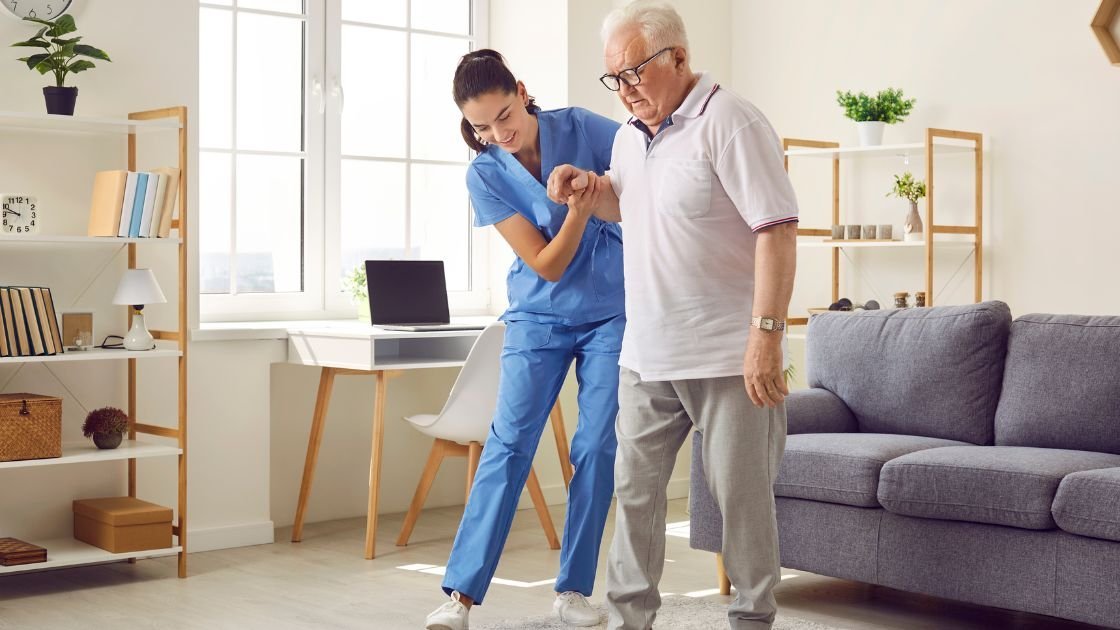
The most important part of caring for seniors with high blood pressure is making sure they take their medication on time. You can help by organizing medications in a way that’s easy to follow.
Using a pill organizer is a great option—it separates medications by days of the week and times of the day. You can also set alarms or reminders to ensure seniors never miss a dose. Keeping a medication log can help track what’s been taken and when.
This is especially helpful when you are managing multiple prescriptions.
7. Keep Everything in Check:
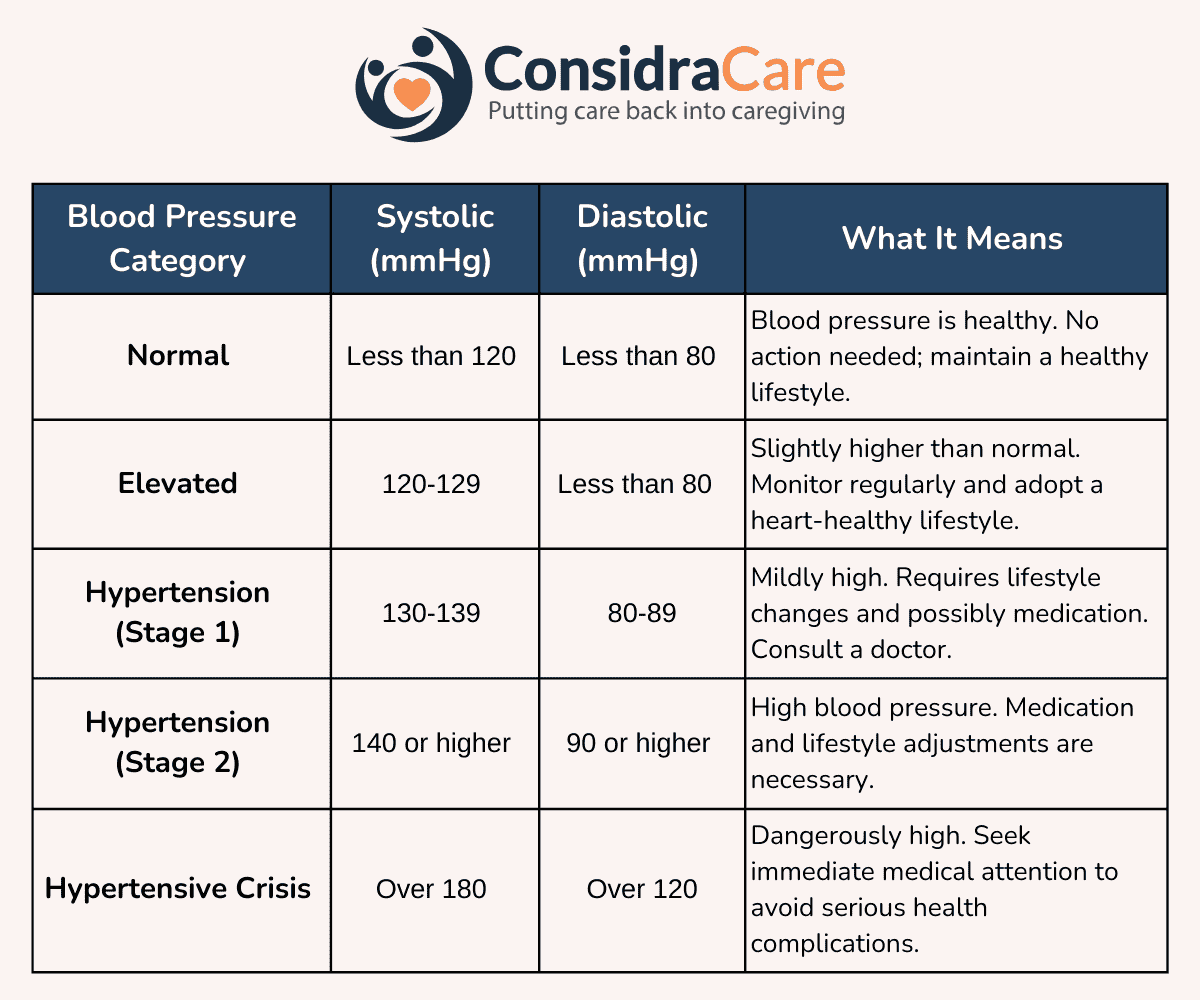
You should monitor and log the blood pressure levels and keep notes on their food intake and any issues between medical appointments. These notes will help the doctors adjust the seniors’ medications.
Elderly blood pressure ranges for men and women.
8. Fix Their Sleep Schedule:
Maintaining a regular sleep schedule is important for seniors with high blood pressure. Poor sleep can increase stress hormones, which may raise blood pressure.
You can help by:
- Encouraging a consistent bedtime and wake-up time each day.
- Creating a calming bedtime routine, such as reading, listening to soft music, or practicing relaxation techniques.
- Ensuring the sleep environment is comfortable, quiet, and dark.
- Limiting screen time and stimulating activities before bed.
- Reducing caffeine intake, especially in the late afternoon and evening.
9. Be Aware of the Warning Signs:
Severe high blood pressure symptoms can present themselves in several ways such as:
- Chest pains
- Acute headaches
- Difficulty in breathing
- Nausea & vomiting
- Nose bleeds
- Irregular & fast heartbeat
- Blurred eyesight
- Confusion
- Seizures & even coma
It is critical to seek emergency medical help if any of these symptoms manifest themselves in a person you are caring for.
What You Should Know About Secondary Hypertension?
In some cases, seniors may develop secondary hypertension, which is caused by an underlying health condition such as:
- Kidney disease
- Sleep apnea
- Thyroid disorders
- Adrenal gland tumors
- Side effects of medications
Unlike primary hypertension, secondary hypertension cannot be fully controlled with blood pressure medication alone. Instead, it requires addressing the root cause. It means being proactive in scheduling and attending medical appointments, tracking symptoms, and ensuring your senior client receives comprehensive care.
How ConsidraCare Caregivers Can Help?
No one likes being held back by chronic conditions like high blood pressure or other health concerns. Alongside medical treatment, lifestyle adjustments can be effective, but it can feel overwhelming.
Our compassionate caregivers keep your loved one happy and supported by:
- Preparing healthy meals.
- Guiding them through light, beneficial exercises.
- Reminding them to take medications on time.
- Assisting with doctor’s appointments.
Final Thoughts:
FAQ’s
1. How can I help a senior manage high blood pressure?
You can help by encouraging a healthy diet, regular physical activity, and proper hydration. Ensure they take medications on time, monitor their blood pressure regularly, and keep track of any symptoms or concerns to share with their doctor.
2. What foods should seniors avoid to control high blood pressure?
Seniors should avoid foods high in sodium, such as processed snacks, canned soups, deli meats, and fast food. They should also limit sugary drinks, fried foods, and alcohol. Instead, focus on fresh fruits, vegetables, whole grains, and lean proteins.
3. How much water should seniors with high blood pressure drink?
Seniors should aim for eight to ten 8-ounce glasses of water per day (2–2.5 liters), unless advised otherwise by their doctor. Staying hydrated is important for maintaining healthy blood pressure levels.
4. What exercises are safe for seniors with high blood pressure?
Gentle exercises like walking, yoga, stretching, swimming, and biking are safe and effective. Always consult their doctor before starting a new exercise routine to ensure it’s appropriate for their health condition.
5. What are the warning signs of a hypertensive emergency?
Warning signs include severe chest pain, intense headaches, shortness of breath, nausea, vomiting, blurred vision, confusion, and seizures. If any of these symptoms appear, seek emergency medical help immediately.